Buying a Historic Home in Charleston, SC: What to Know
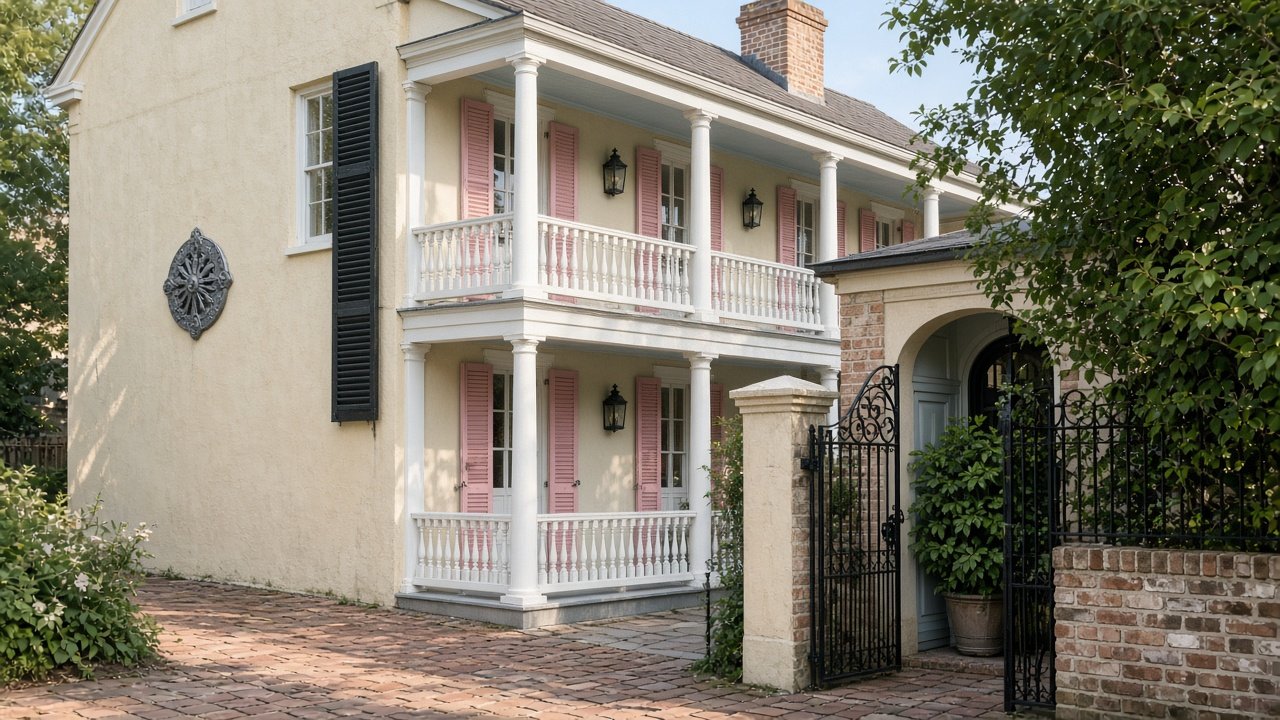
Buying a historic home in Charleston SC means owning a piece of American history, along with some extra rules. Exterior changes in the city’s historic districts often need approval from the Board of Architectural Review. Downtown prices are high, so many buyers use jumbo loans. Here’s what to know before you fall in love with a piazza.
Key Takeaways
- Charleston created the nation’s first historic district zoning ordinance in 1931.
- The Board of Architectural Review (BAR) reviews many exterior changes in historic areas.
- Downtown single-family homes had a $2,350,000 median in September 2026 (Charleston Trident Association of Realtors).
- Loans above $832,750 (the 2026 baseline conforming limit) usually need jumbo financing.
- Budget extra for inspections, insurance, and upkeep on older homes.
Why Is Charleston So Famous for Historic Homes?
Charleston didn’t save its old buildings by accident. In 1920, a group led by Susan Pringle Frost formed the Society for the Preservation of Old Dwellings, now the Preservation Society of Charleston. It’s considered the oldest community-based preservation group in the country. Frost is thought to have been Charleston’s first woman Realtor (South Carolina Encyclopedia).
On October 13, 1931, City Council ratified a zoning ordinance that created the 138-acre Old and Historic District, the first historic district protected by local law in the United States (National Park Service). Today the protected area has grown to include more than 4,800 historic structures.
What Does the Board of Architectural Review Do?
The BAR was created by that 1931 ordinance. Per the City of Charleston, its job is to protect the “historic or architecturally worthy structures and quaint neighborhoods” that give Charleston its character.
For buyers, that means:
- Many exterior changes (windows, roofs, porches, paint in some cases, additions, demolition) may need review.
- Approval can take time, so plan renovation timelines carefully.
- Interior work is generally not reviewed by the BAR, but building permits still apply.
Before you buy, ask the seller about past approvals and check with the city about any project you have in mind.
What Makes Charleston Architecture Unique?
The Charleston Single House
The single house is one room wide, with its narrow end facing the street. Long side porches, called piazzas, catch the breeze. The front “street door” often opens onto the piazza, not into the house.
Earthquake Bolts
Notice round or star-shaped iron plates on old brick walls? Those are the ends of earthquake bolts, iron rods added after the August 31, 1886, earthquake to hold damaged masonry together.
Rainbow Row
The pastel row houses on East Bay Street are among the most photographed homes in the South, and a reminder that preservation shaped today’s downtown.
How Much Do Historic Homes in Downtown Charleston Cost?
CTAR’s September 2026 local market update for Downtown Charleston showed:
| Downtown Charleston | Sept. 2026 | Year to date |
|---|---|---|
| Single-family median | $2,350,000 | $2,400,000 |
| Townhouse/condo median | $1,173,750 | $940,000 |
| Single-family days on market | 58 | 57 |
Sample sizes are small (13 single-family sales in September), so monthly numbers can swing. Still, downtown is the area’s priciest market.
How Do You Finance a Historic Home in Charleston?
Jumbo Loans
The 2026 baseline conforming loan limit for a one-unit home is $832,750 in most of the country (FHFA). Anything above that is a jumbo loan. Jumbo loans often need stronger credit, more cash reserves, and a larger down payment. Mortgage News Daily’s 30-year jumbo index was 7.65% on October 20, 2026.
Conventional Loans
Downtown condos or homes in historic areas just outside the peninsula may fit under the conforming limit.
Appraisals on Unique Homes
Historic homes can be hard to compare. Appraisers may need to look at fewer, older, or more distant sales. Build in time.
What Should You Inspect on an Older Charleston Home?
- Wood rot and termites, common in a humid coastal climate
- Foundations and masonry, including past earthquake or settling repairs
- Roof, gutters, and drainage
- Electrical and plumbing, which may be updated in stages
- Flood risk and elevation; see our Charleston flood zone guide
- Insurance quotes, which can be higher for older homes
When Can You Tour Historic Homes?
The Preservation Society of Charleston hosts its Fall Tours throughout October, with historic homes, architecture, and neighborhood walks. It’s a fun way to study the styles you love before you buy. For prices outside downtown, see our Charleston neighborhood guide.
Frequently Asked Questions
Do I need permission to renovate a historic home in Charleston?
Often, yes. Exterior changes to many properties in Charleston’s historic districts need approval from the city’s Board of Architectural Review (BAR) or its staff. Check with the city before you plan work.
What is a Charleston single house?
It’s a classic local home style that is one room wide, with its narrow end facing the street and long porches, called piazzas, running along one side.
What are the round iron plates on old Charleston buildings?
They’re the ends of earthquake bolts, iron rods added to brace masonry walls after the 1886 earthquake damaged much of the city.
How much do homes cost in downtown Charleston?
CTAR data showed a September 2026 median of $2,350,000 for single-family homes in downtown Charleston, based on 13 sales. The year-to-date median was $2,400,000.
Do I need a jumbo loan for a historic home in Charleston?
If your loan is above the conforming limit, yes. The 2026 baseline conforming limit for a one-unit home is $832,750 in most of the U.S., so many downtown purchases need jumbo financing.
Dreaming of a Piazza of Your Own?
Let’s talk jumbo and conventional options for historic Charleston homes. Call Coastal Funding Corporation at (843) 212-6200 or visit www.charlestonmtg.com to talk with a licensed loan officer.
About Coastal Funding Corporation in Charleston
Coastal Funding Corporation (NMLS 103035) is a mortgage broker helping Charleston and Lowcountry buyers compare loan options from multiple wholesale lenders. We help with purchases and refinances using conventional, FHA, VA, USDA, and jumbo loans, plus DSCR loans for investment properties. This article was written by our team and reviewed for accuracy as of the date shown.
Coastal Funding Corporation | NMLS 103035 | (843) 212-6200 | www.charlestonmtg.com. Equal Housing Opportunity. This is not a commitment to lend. All loans are subject to credit approval, underwriting guidelines, and property eligibility. Rates, terms, and programs are subject to change without notice. Market and rate figures cited are third-party data as of the dates shown and are not quotes or offers from Coastal Funding Corporation. Verify our license at NMLS Consumer Access.